Prevention is central to everything we do at Praesidio Safeguarding.
Our work in Ghana started through collaborative research with WeProtect Global Alliance in 2023, which highlighted that children in Ghana face significant risks of online child sexual exploitation and abuse – yet have not been taught the necessary refusal and reporting skills to protect themselves effectively in digital spaces. Our study identified that Ghanian children were at particularly high risk of online CSE from both local and foreign perpetrators and that these children had few supports in place to help keep them safe. We found that building these protective skills must be a priority if we are to keep pace with the evolving digital landscape.
In Ghana, children have told us they need more education about online safety. Parents and carers have asked for tools to help keep their children safe online, and teachers have shared that they lack the resources needed to teach online safety effectively.
In response, we have been working alongside children, parents, teachers, and local partners in Ghana to ensure that young people can make informed decisions, understand online risks, and know where to seek help. We are also advocating for greater parental engagement in children’s online lives and developing practical educational and safeguarding resources for teachers, all with the aim of preventing OCSEA in Ghana.
Engaging children
We have worked closely with young people and local experts to co-create prevention-focused interventions that reflect the realities of children’s online lives in Ghana. A key strand of this work has involved partnering with social media influencers to deliver online safety messaging on TikTok, the most widely used social media platform among teenagers in Ghana. Through this approach, we have reached millions of young people with accessible information about online risks, responsible digital behaviour, and clear reporting pathways.
We collaborated with influencers from Dance with Purpose, who have built audiences of millions, as well as content creators who produce material in local languages to ensure our messaging reached diverse regions and communities across the country.
Image: Social media campaign by Demzy BaYe (@demzy_baye) on TikTok
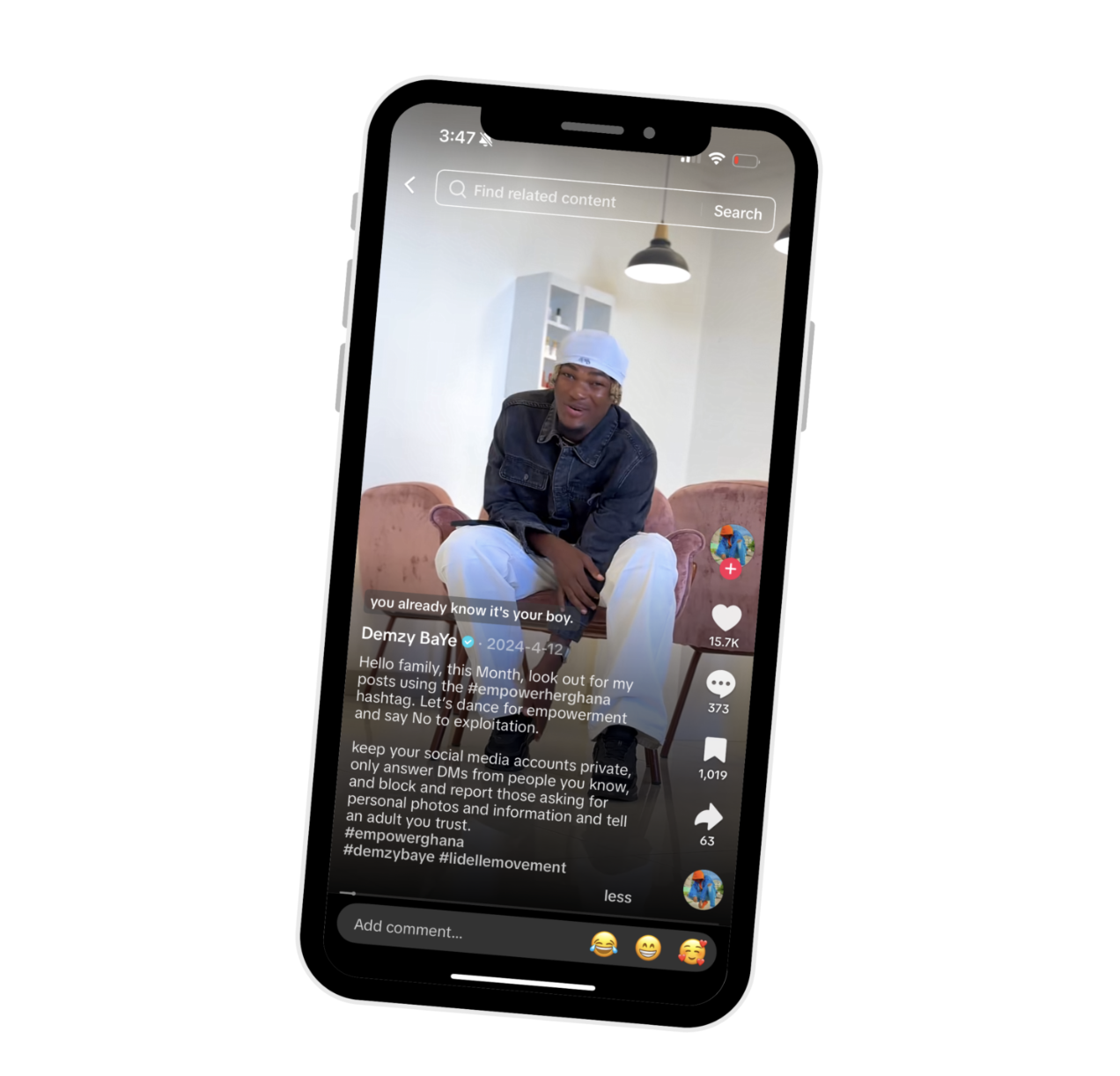
Our content addresses the risks and consequences of harmful online behaviours, including sexual extortion, while promoting practical reporting mechanisms such as the Ghana Internet Safety Foundation’s national helpline and the Cybersecurity Authority’s reporting line.
Young people have shared that these social media messages have strengthened their understanding of online risks and influenced safer online behaviour.
Watch Helen King present on the use of influencers to share safety and prevention messages at the PIER 2024 Child protection conference.
I have decided to make my social media platforms private so that I will not be asked for naked photos by someone. (Girl, 15)
I will only talk to my friends and family on social media and block people who ask me about my naked pictures. (Boy, 13)
I feel more prepared to practice safe behaviours; I will report people that make me feel uncomfortable online. (Girl, 13)
Children have also told us that advice shared by their peers feels relatable and credible. In response, we are working with young people to develop multi-purpose animations that will be shared across social media platforms and in schools. Told from the perspective of teenagers and informed by real case studies from the Cybersecurity Authority in Ghana, including cases involving sexual extortion, these animations are designed not only for children, but with children. Young people have shaped every stage of the process, from visual style and character design to storyline development, ensuring the content reflects their lived experiences.
Engaging parents and carers
In Ghana, we found parental digital literacy rates are often low, meaning children are frequently the ones guiding their parents’ use of technology. In many households, devices are shared and children access social media through their parents’ accounts. As a result, young people may be using platforms without under-18 protections in place and without informed parental oversight or a clear understanding of how these platforms function. This dynamic increases children’s exposure to risk and highlights the importance of equipping parents with practical digital knowledge. Because of this, we’ve developed online safety teaching materials for parents and carers.
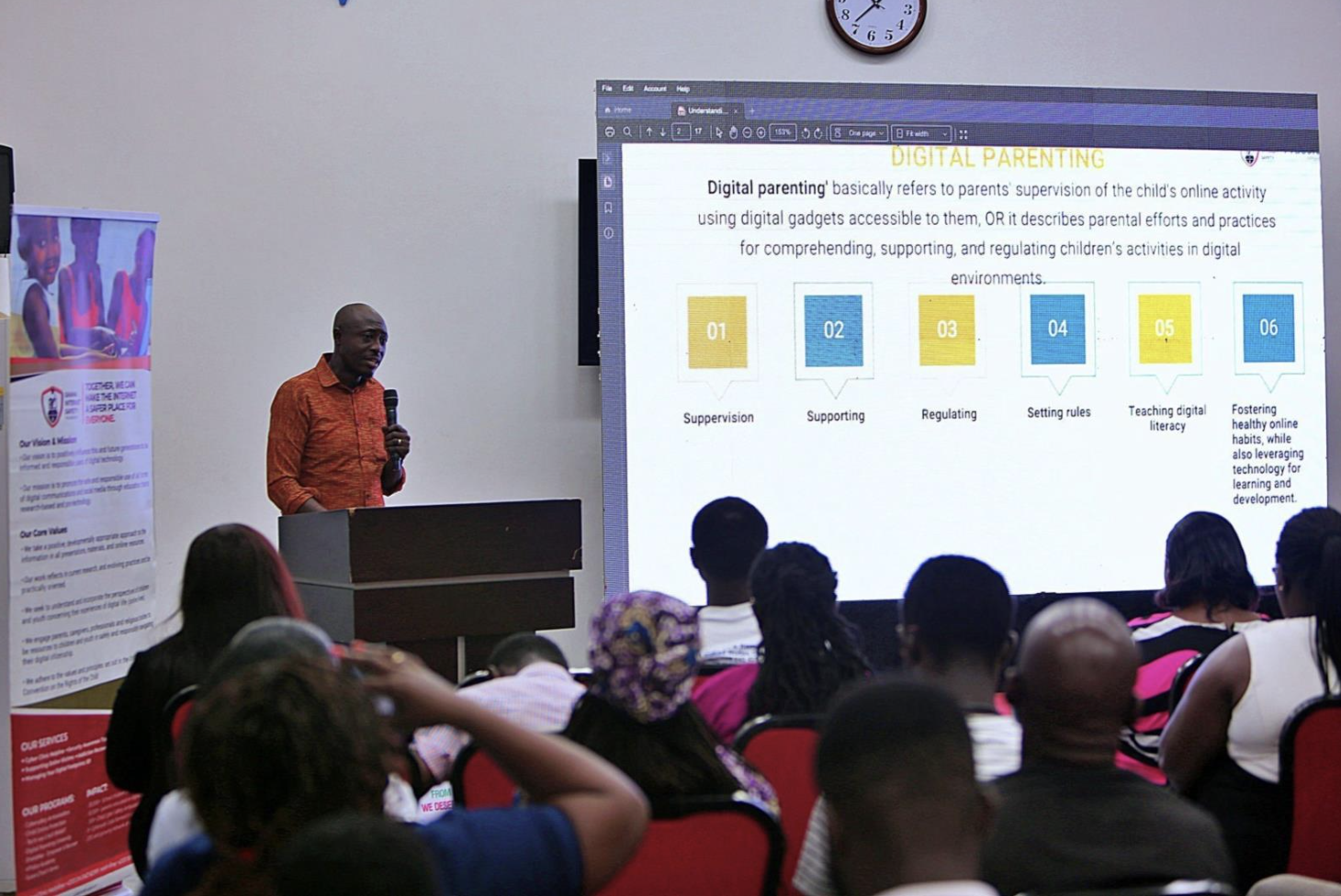
In collaboration with the Ghana Internet Safety Foundation, we have delivered a series of in-person workshops and online webinars in both English and Twi. These sessions are designed to support parents and carers in vulnerable communities with the knowledge and tools needed to better protect their children online. Watch ‘Give them phone, give them audience’ seminar from GISF here.
The workshops cover practical digital parenting strategies, an overview of common online risks, and clear guidance on available reporting mechanisms. Post-training assessments indicate a 190% increase in the use of parental controls, demonstrating greater confidence and proactive engagement in children’s digital safety.
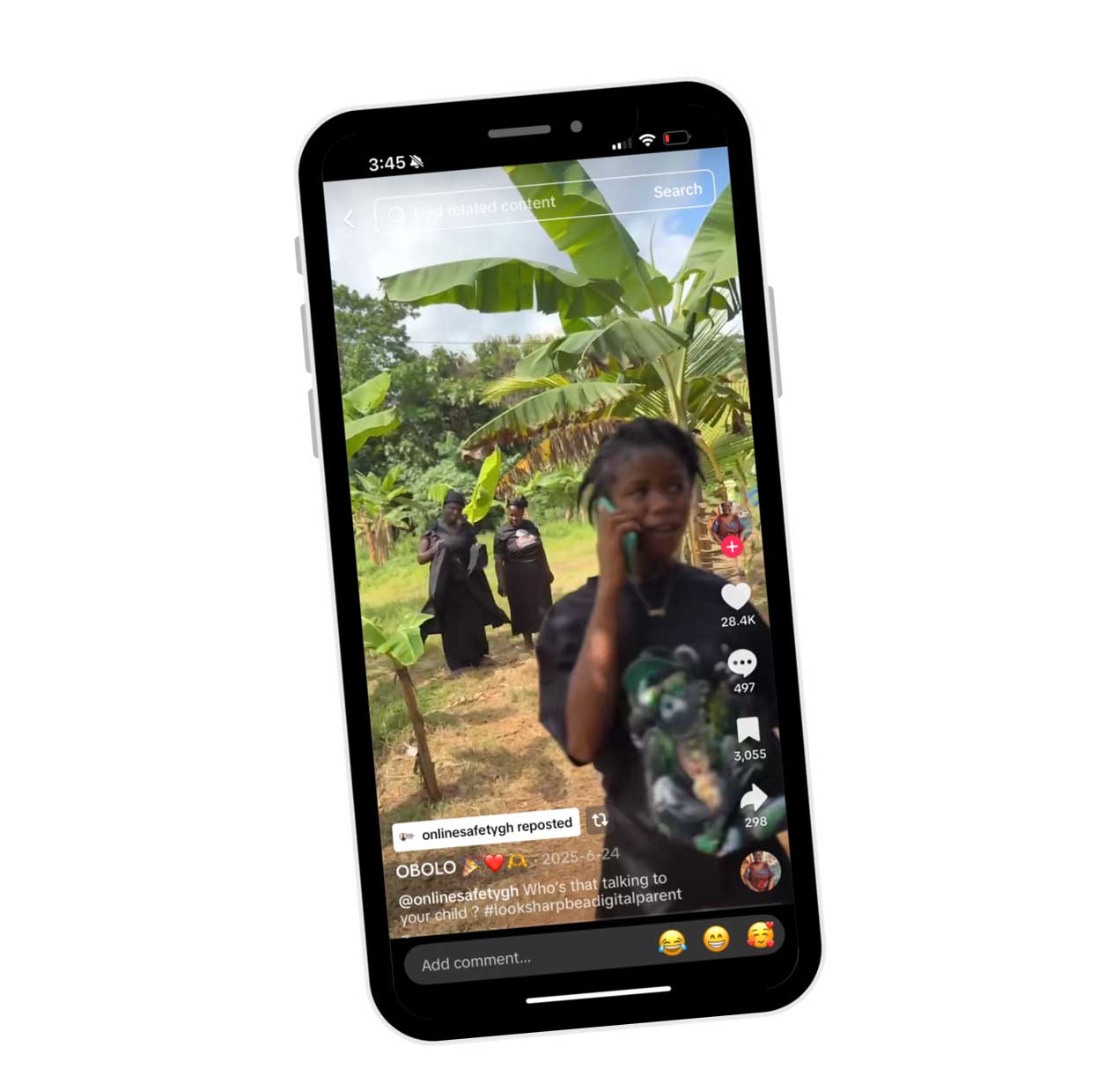
Alongside this direct work, we have also reached parents and carers through targeted social media campaigns on TikTok. This messaging encourages adults to take an active role in their children’s online lives and to foster open, supportive environments where young people feel safe to disclose concerns and seek help when needed.
Image: Social media campaign by Obolo (@amapokuaah7) on TikTok
Engaging educators
Our research with teachers across Ghana highlighted significant gaps in online safety education and awareness within schools. At the same time, it underscored the opportunity to strengthen child protection by integrating practical online safety content into existing curricula. ICT teachers emphasised the relevance of these issues to their pupils’ daily lives and school environments. They also advised that, to ensure widespread uptake, resources should align with Ghana’s national curriculum and be co-developed with teachers and children to ensure cultural relevance and sustainability.
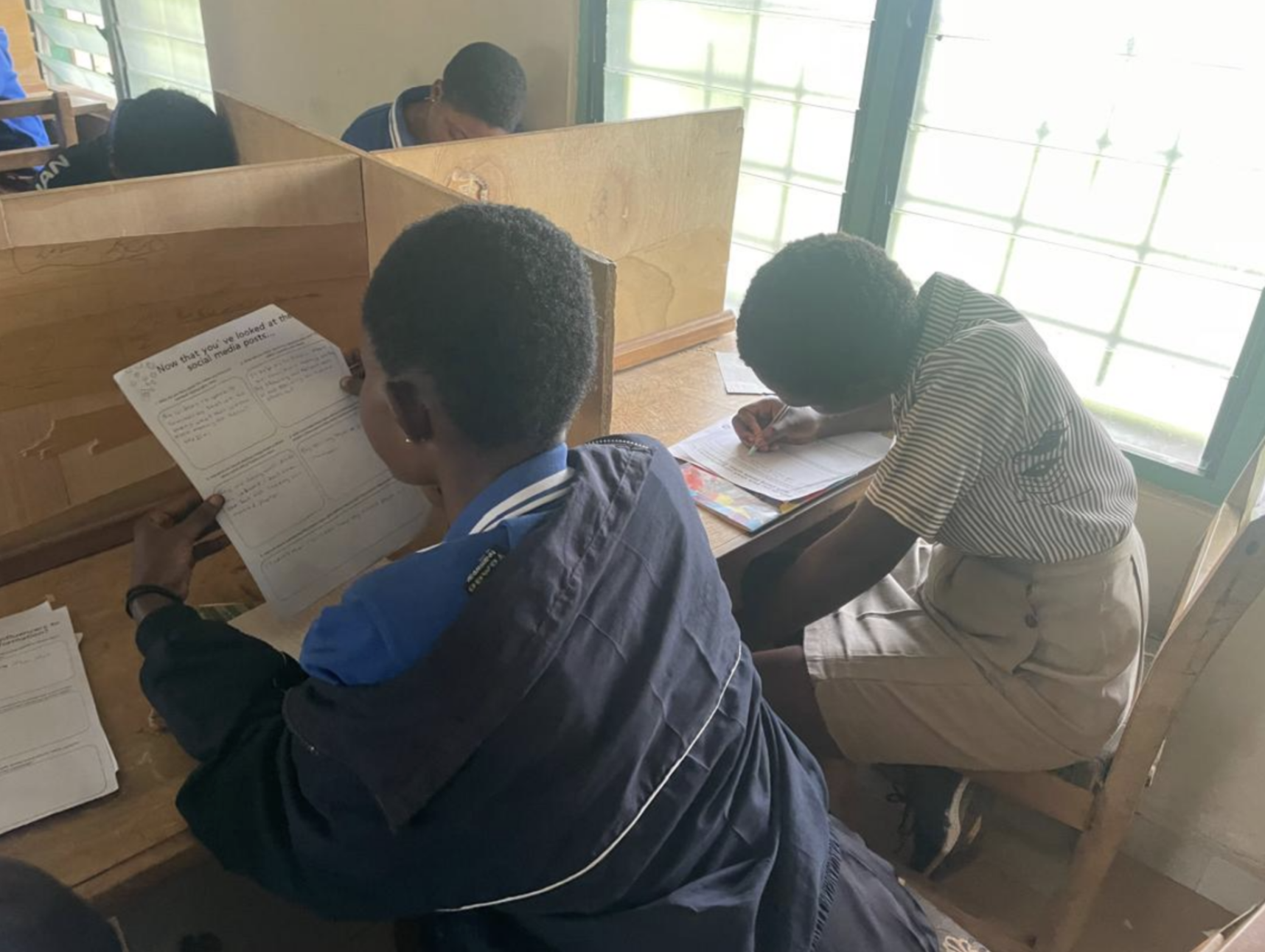
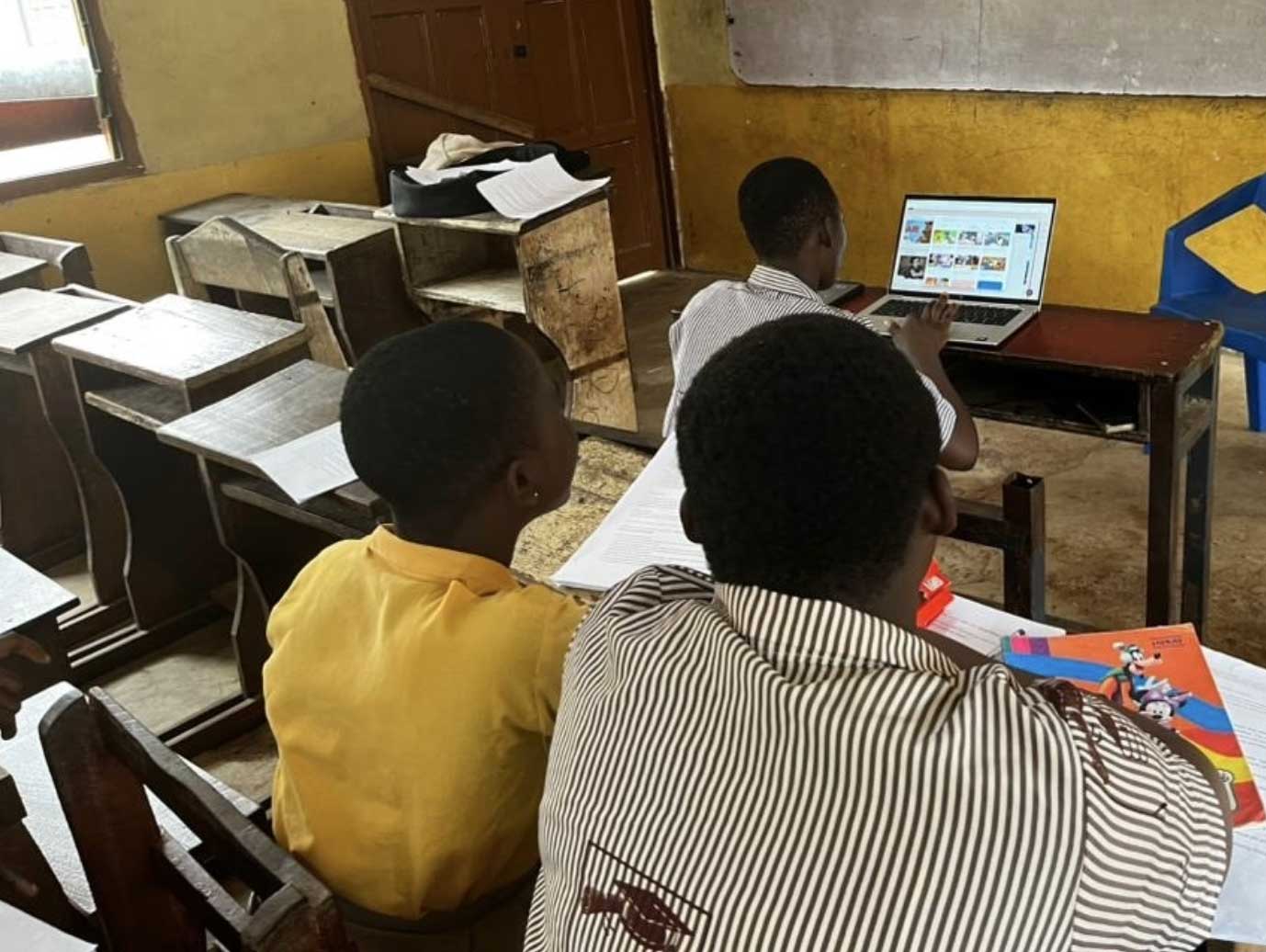
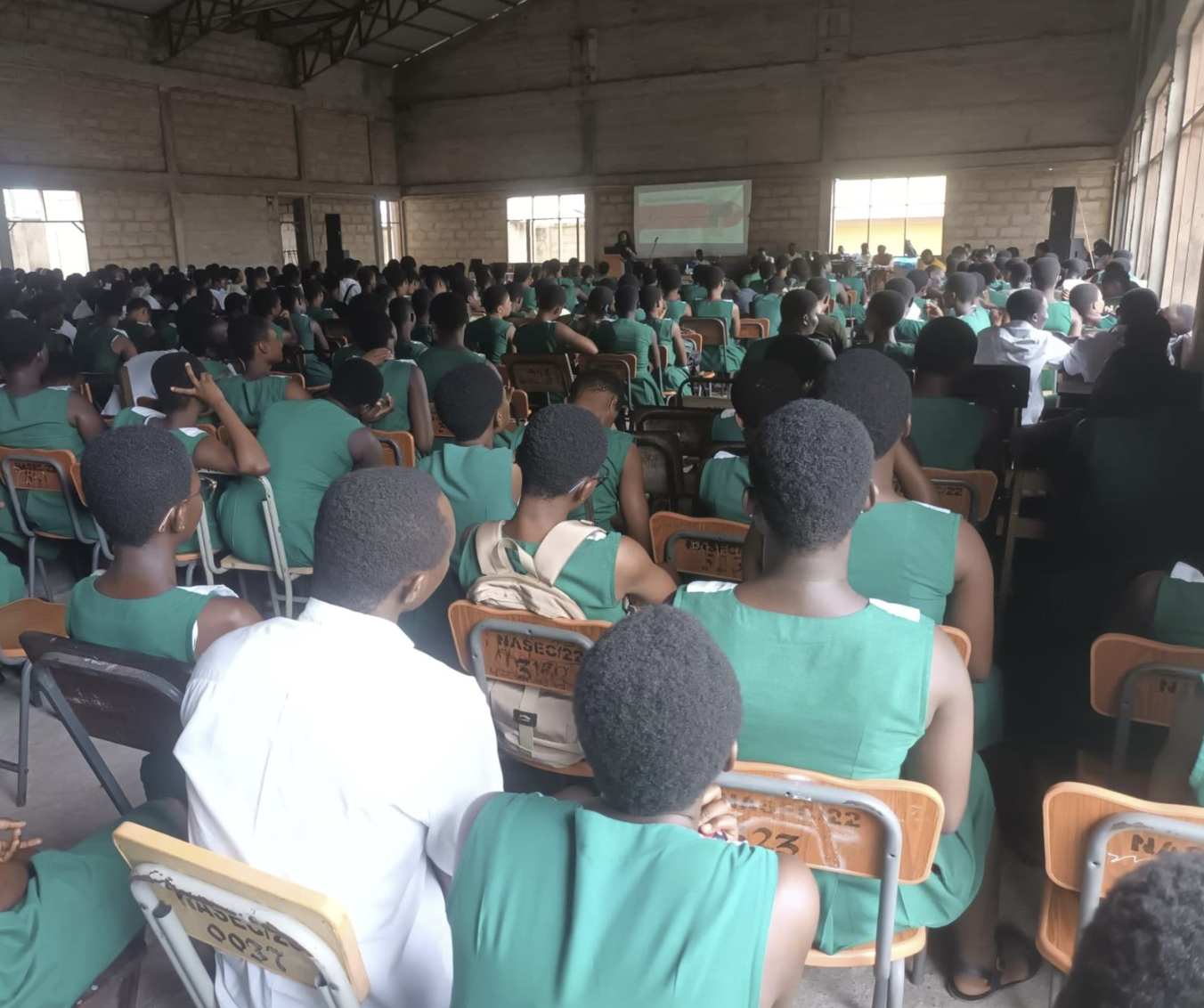
In partnership with Women in Law and Development—Africa (WiLDAF), we developed and piloted an educational programme reaching 2,000 Senior High School students in the Greater Accra Region.
Pre-programme assessments revealed the scale and urgency of online risks facing students:
- 25% had experienced blackmail, often linked to image-based abuse or sextortion threats.
- 18% had been directly solicited for nude images, frequently involving financial incentives or manipulation.
- 16% had already shared intimate images online.
- Only 13% understood what sextortion was.
- 62% were unaware of any reporting pathways for online harm.
- Only 34% said they would consider reporting to the police.
- 44% reported that their parents did not monitor their online activities.
- 64% supported their parents with digital tasks, reflecting a reversal of traditional support dynamics.
- 47% had attempted to make money online, and 5% admitted engaging in sextortion as a means of doing so.
Following delivery of the programme, we observed substantial improvements in knowledge and confidence with 98% of students finding the lessons engaging and relevant, 95% now understanding how online behaviour can affect their future and reputation, 92% understanding the risks associated with sextortion and how to manage these approaches and 93% saying they now know where to report unsafe online behaviour.
We are now expanding these materials to reach additional schools across Ghana. Throughout this work, we are working to ensure that educators are equipped not only to teach online safety, but to respond effectively when concerns arise.
Visit our Digital Hub
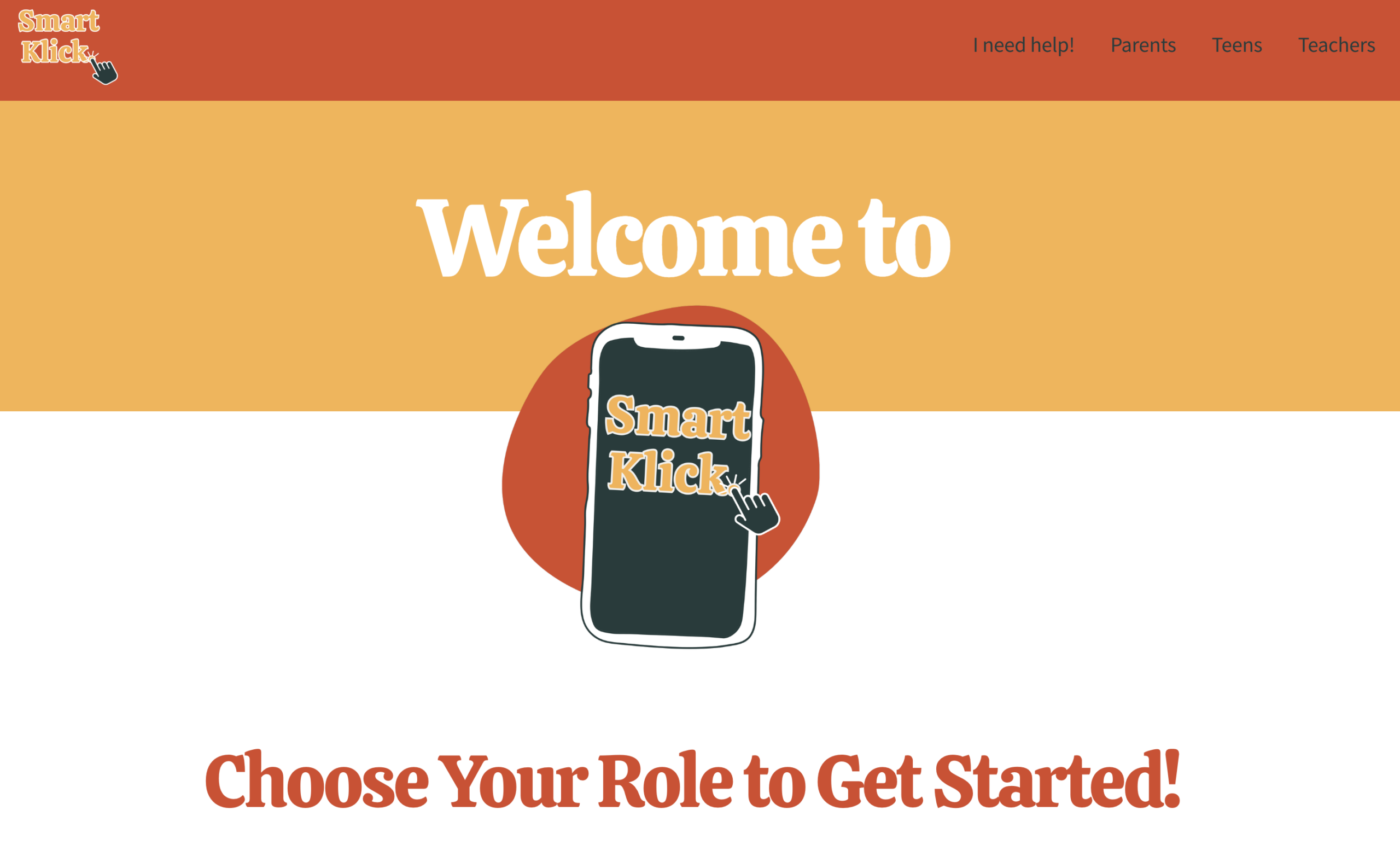
We have designed and launched a digital hub in collaboration with partners. This provides information about all of these interventions as well as a range of easy-to-use resources and safeguarding tools in one accessible digital space: Smartklick.org.
The hub serves as a central platform for children, parents, carers, and educators to access practical guidance, educational materials, and clear reporting information. By consolidating these tools in one place, we aim to make online safety support easier to find, understand, and use.
Engaging National and International Stakeholders
Prevention is central to our work in Ghana. It is, however, is just one piece of the puzzle. Sustainable change requires collaboration, shared learning, and strong partnerships across sectors.
This is why, in September 2025, we partnered with national and international stakeholders to convene a virtual consultative roundtable in Accra, aligned with Ghana’s National Cyber Security Awareness Month. The roundtable brought together government agencies, law enforcement, civil society organisations, and global technology partners to strengthen Ghana’s response to online child sexual exploitation and abuse (OCSEA).
Through this collaboration, partners committed to deploying advanced investigative and case management technologies, expanding prevention and education programmes, and strengthening cross-border cooperation. The roundtable marked an important step toward a coordinated, multi-stakeholder approach — ensuring that prevention, reporting, investigation, and victim support effort
In February, 2026, we partnered with Ghana Internet Safety Foundation to host Ghana’s first National Online Safety Summit, bringing local and global stakeholders together at NOSS ’26: to elevate youth voices, strengthen and build partnerships in Ghana and beyond, and showcase the resources we’ve been developing alongside the vital work of our partners, so that children, teachers, and parents across Ghana can access the support they need.